
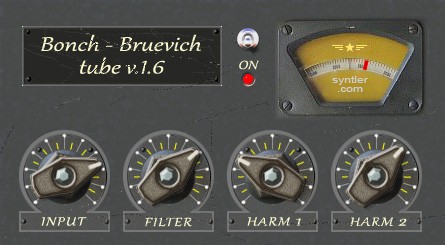
Bonch-Bruevich

Key Features
- Tube stage emulation modeled after 1924-era vacuum tube circuit characteristics for authentic analog coloration
- Independent 1st and 2nd order harmonics control via joystick-style parameters for precise saturation shaping
- High-frequency exciter filter that adds top-end presence and shimmer to dull or lifeless tracks
- Low-frequency distortion filter for adding bass warmth, grit, and low-end body
- LF/HF mix control for blending the exciter and bass distortion effects to taste
- Range from subtle exciter enhancement to aggressive dirty overload saturation
Description
Bonch-Bruevich Tube by Syntler is a tube stage emulation plugin that adds harmonic saturation and exciter-style presence to audio signals. It is named after the Russian engineer Bonch-Bruevich, who designed the world's most powerful radio tube in 1924.
The interface provides independent control over 1st and 2nd order harmonics through a joystick-style parameter layout. A high-frequency filter acts as an exciter for adding top-end shimmer, while a low-frequency filter introduces bass-focused distortion and warmth.
Bedroom Producers Blog described the plugin as excelling at "distorting sounds in fun ways," noting it works particularly well on drums and electronic bass. Setting the filter around midrange combined with the second harmonics control produces a distinctive vintage radio-style sound quality.
The plugin breaks up easily when the input gain is pushed, making it well-suited for parallel processing. Blending a heavily saturated signal with the dry original adds body without overwhelming the mix.
Bonch-Bruevich Tube is available as a 32-bit VST plugin for Windows. The download size is approximately 2 MB.
Video Preview


Frequently Asked Questions
What is the difference between the HF and LF filters in Bonch-Bruevich?
The HF (high-frequency) filter acts as an exciter, adding brightness and top-end presence by generating harmonics in the upper frequency range. The LF (low-frequency) filter applies tube-style distortion focused on bass frequencies, adding warmth and grit to the low end. The LF/HF mix control lets you blend both effects together.
What kind of saturation sound does Bonch-Bruevich produce?
Bonch-Bruevich produces a lo-fi, crunchy saturation inspired by 1920s radio tube circuits rather than a clean, transparent tube emulation. It ranges from subtle harmonic excitement at low settings to aggressive, dirty distortion when the input is pushed. The midrange filter position creates a distinctive vintage radio tone.
How does Bonch-Bruevich compare to paid saturation plugins like Soundtoys Decapitator?
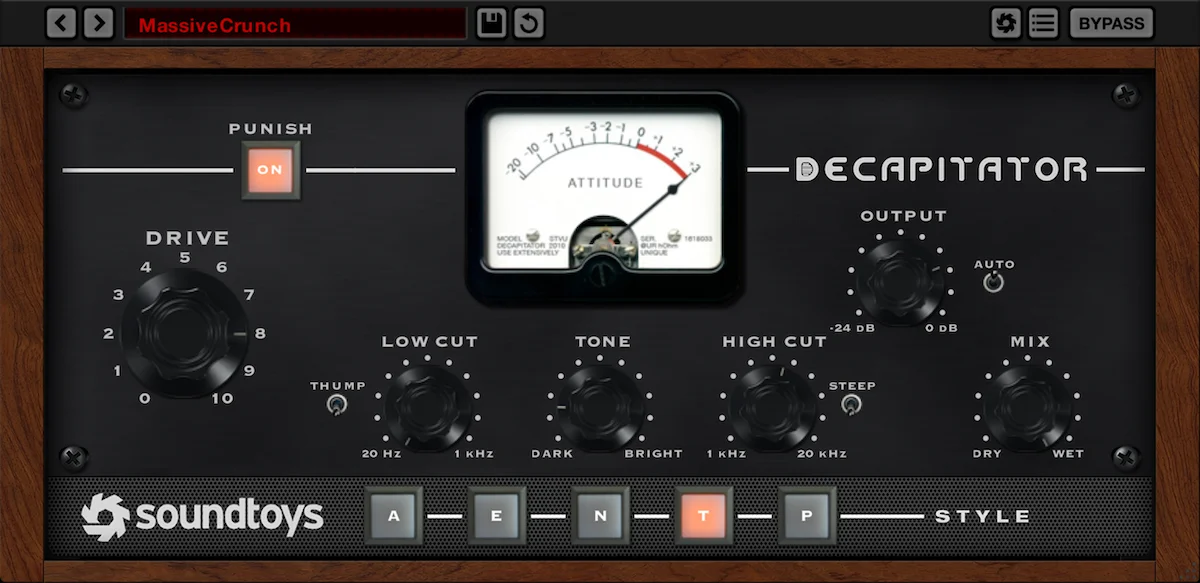
Bonch-Bruevich focuses on a single vintage radio tube character with straightforward harmonic and filter controls. Decapitator offers five different analog saturation models, a dedicated tone control, mix knob, and a Punish button for extreme effects. Bonch-Bruevich covers the lo-fi tube exciter niche effectively, while Decapitator provides broader tonal variety.
Can Bonch-Bruevich be used for parallel processing?
Yes. The plugin breaks up aggressively when the input gain is pushed hard, which makes it ideal for parallel saturation setups. Route a heavily saturated copy alongside the clean signal in your DAW to add body and harmonic richness without losing clarity in the original track.


