
Boot EQ MKII
Key Features
- Four-band EQ with Pultec-inspired passive curve shapes — LF band toggles between highpass and bell; mid band offers two distinct bell character modes for different Q shapes
- Integrated pre-amp simulator with transformer LF distortion and tube-style HF detail enhancement, based on a reworked TesslaSE algorithm
- 4x oversampling with SSE and assembler optimization for low CPU usage at 44.1 and 48 kHz sample rates
- Volume-compensated saturation control that preserves perceived loudness while adding harmonic coloration
- Push-pull EQ technique: tune MF and LF bands to overlapping frequencies for complex boost/cut interactions that no single-band EQ can replicate
- Fixed high shelf with variable Q — adjustable from wide air shelf to tighter top-end bite
- Switchable pre-amp stage that can be used independently for subtle analog coloration without any EQ boost or cut
Description
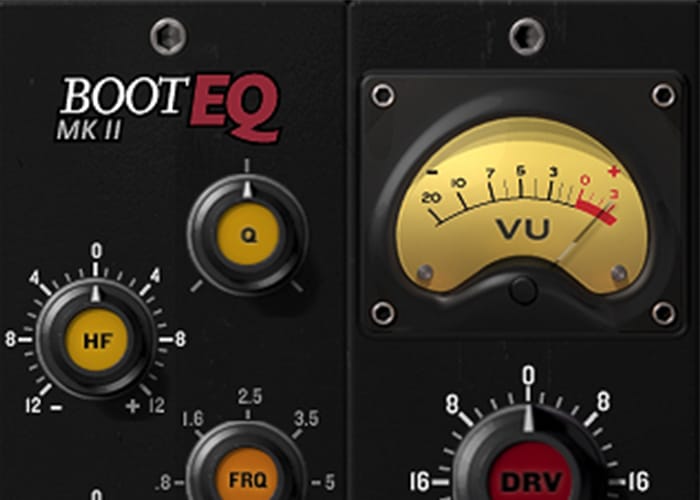
Boot EQ MKII is a four-band mixing and mastering EQ with an integrated pre-amp simulator, developed by Herbert Goldberg ("bootsie") of Variety Of Sound. It combines Pultec-inspired passive-style curve shapes with analog transformer and tube saturation emulation — letting you sculpt tonal balance and add harmonic color simultaneously in a single plugin.
The EQ covers four independent bands: a low-frequency band (40–250 Hz) switchable between highpass filter and bell, a mid-frequency band (100–1500 Hz) with two distinct bell character modes, a high-mid band (800–8900 Hz), and a fixed high shelf with variable Q. The switchable pre-amp module emulates transformer LF distortion and tube-style HF enhancement using a reworked TesslaSE algorithm at 4x oversampling with heavy SSE optimization for low CPU overhead.
Engaging the pre-amp alone adds subtle non-linear coloration even with all EQ bands flat. Tuning the MF and LF bands to overlapping frequencies creates push-pull resonance — a complex, hardware-like tonal shape no standard parametric can replicate.
Note: Boot EQ MKII is a Windows-only 32-bit VST2 legacy plugin from bootsie's early catalog alongside epicVerb and FerricTDS. Variety Of Sound now offers BootEQ mkIV with full 64-bit and VST3 support — the modern successor for users on current DAWs.
Video Preview

Frequently Asked Questions
Is Boot EQ MKII available for Mac?
No — Boot EQ MKII is Windows-only and ships as a 32-bit VST2 plugin. There has never been a Mac version. If you need a Mac-compatible bootsie EQ, BootEQ mkIV (the modern successor) still targets Windows only, so Mac users should look at other options.
Can I run Boot EQ MKII in a 64-bit DAW?
Boot EQ MKII is 32-bit only. Most modern 64-bit DAWs — Ableton Live, FL Studio, Reaper — can load 32-bit plugins via a built-in bridge, but you may need to enable the bridge in your DAW settings. For native 64-bit operation, BootEQ mkIV is the recommended upgrade.
Can I use jBridge to run Boot EQ MKII in a 64-bit host?
Yes — jBridge is a well-known third-party utility that wraps 32-bit VST plugins for use in 64-bit hosts on Windows. Boot EQ MKII runs cleanly through jBridge according to user reports on KVR and various forums.
How does Boot EQ MKII compare to other free Pultec-style plugins?
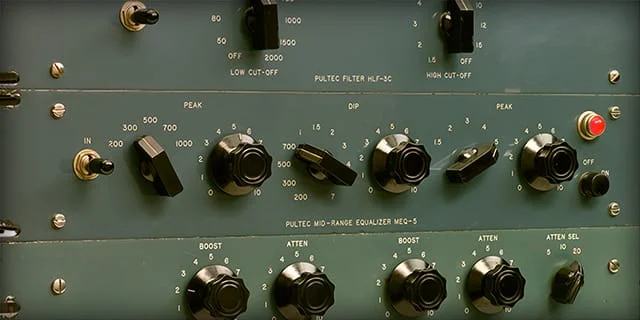
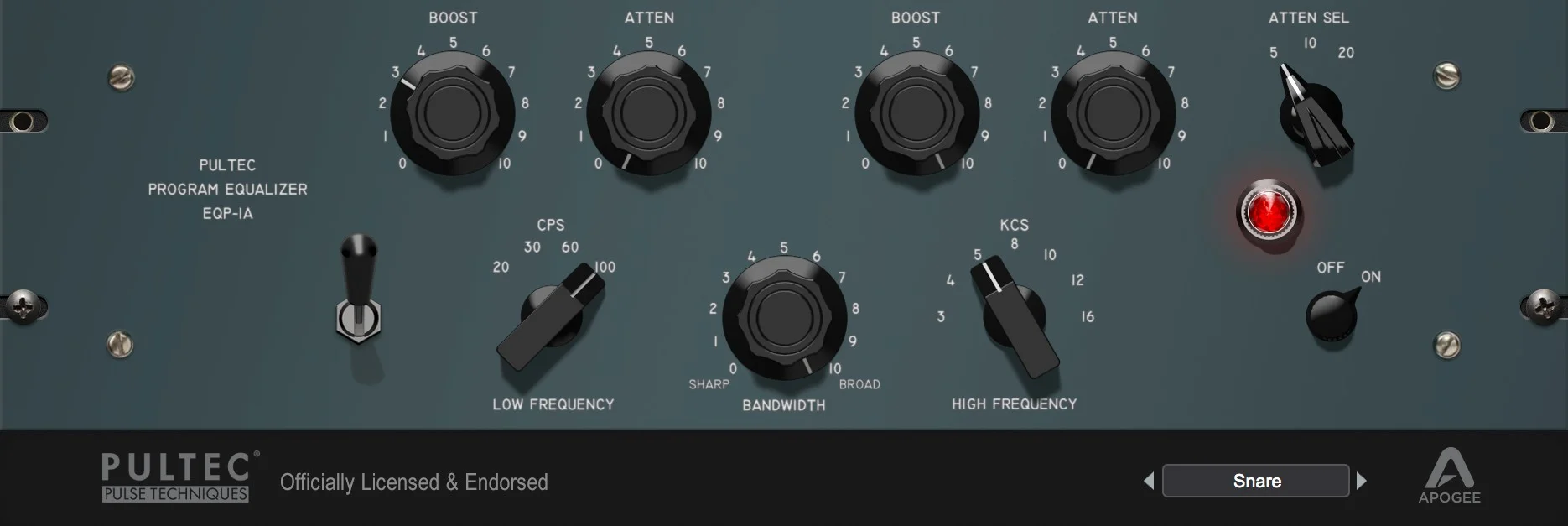
Boot EQ MKII goes beyond a straight Pultec clone by adding a switchable pre-amp stage that layers transformer and tube coloration on top of the EQ. The combination of passive-style curve shapes and the TesslaSE-based saturation gives it a character closer to running a hardware chain than most free Pultec emulations, which typically skip the amplifier stage entirely.


